CyberThreat Intelligence Integration Centerの報告書によると、医療企業に対するランサムウェア攻撃は2022年以降、世界中でほぼ倍増している。なぜ医療分野でこのような増加が起きているのでしょうか?
米国保健社会福祉省が最近実施した病院の耐障害性に関する調査によると、医療施設がインターネットに接続されたシステムに依存していること、個人を特定できる大量の機密情報や個人健康情報データを保有していること、そして医療施設では業務の継続性が非常に重要であることが、この分野が格好の標的となった3つの主な理由であるという。
世界第2位、イスラエル最大の健康維持組織(HMO)であるClalit Health Servicesは、1,600以上の診療所と14の病院を通じて、イスラエル人口の52%以上に医療を提供している。驚くなかれ、クラリットは、2023年以降、その施設に対する脅威が劇的に増加し、サイバー攻撃の標的として頻繁に取り上げられている。Clalit社のセキュリティ・インフラ通信部門責任者であるZahi Ben-Abu氏が説明するように、"私たちの以前のソリューションは、イスラエルの医療分野における重要なインフラとしてのセキュリティ基準に達していませんでした"。
高い社内基準を満たし、イスラエルの医療プロバイダーに対する政府の厳しい規制に準拠するため、クラリットはOPSWAT 、重要なインフラが完全に保護されるトータルソリューションの構築を専門家に依頼した。
ボリュームとセキュリティの課題に応える
Clalit社では、さまざまなソースやファイルタイプから1日に約500万ものファイルを処理しており、その多くに患者の医療に関する機密情報が含まれています。この膨大な量を処理し、スケーラビリティと柔軟性を提供し、共有されるファイルがマルウェアに感染していないことを保証するソリューションの必要性が最も重要でした。
私たちの以前のソリューションは、イスラエルの医療分野における重要なインフラとして、私たちのセキュリティ基準に達していませんでした。
Clalitでは、パートナー企業、サプライヤー、病院、銀行、法的機関、政府機関など、さまざまなソースからファイルが送られてきます。これらのファイルは、CSV、PDF、Word、医療画像、バイナリファイルなど、さまざまな形式で提供されるため、ソリューションもさまざまな種類のファイルを処理できる必要がありました。
とりわけClalitは、外部ソースからシステムに侵入する悪意のあるファイルからインフラを保護する方法を必要としていた。
インフラ保護の新しいモデルを創造する
「私たちは、すべてのファイル・スキャンのためのセントラル・ソリューションを構築することに価値を見出しました」と、クラリットのセキュリティおよびインフラ・コミュニケーション部門の責任者であるザヒ・ベン・アブは説明する。
まず、Managed File Transfer (MFT )と安全な電子メール・ソリューションにAPI を介して統合しました。次に、ICAP サーバーを当社のプロキシサーバーに接続し、ウェブトラフィックのインラインスキャンを行いました。最後に、ICAP サーバーを当社のリバースプロキシとAPI ゲートウェイに接続し、ファイルアップロードとウェブアプリケーションのトラフィックをスキャンできるようにしました。
現在、電子メール、API、管理型ファイル転送、インターネット、Cloud などを通じてクラリットに送信されるすべてのファイルは、13種類のウイルス対策エンジンおよびDeep CDR™テクノロジーによってCloud 。CDRを通過できなかったファイルや除外されたファイルは、MetaDefender 送信され、さらに詳細な分析が行われます。すべてのスキャンはAPI ICAPを介してインラインで実行されます。
クラリットのクリティカル・インフラおよびサイバー部門の責任者であるオメル・ケイダー氏は、「OPSWAT 、データが安全で、ファイルにマルウェアがないことが保証されます」と述べている。
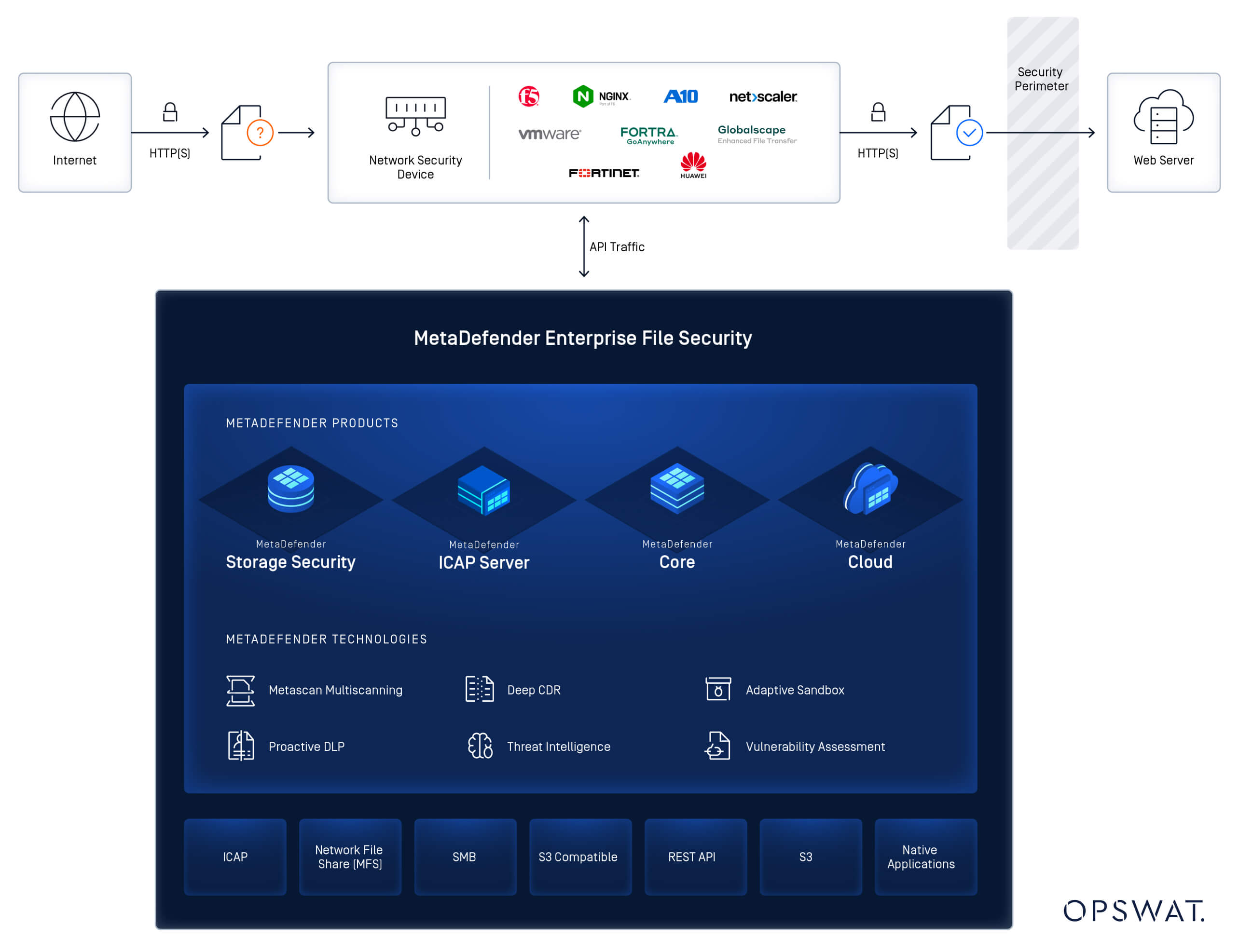
OPSWAT保護レイヤーの内側:クラリットのインフラを守るテクノロジー
CDR(Content Disarm and Reconstruction)は、すべてのファイルにマルウェアやゼロデイ攻撃などの潜在的な脅威が含まれていると想定し、安全で利用可能なファイルを再生成することで脅威を無力化します。Deep CDR™テクノロジーは、検知型マルウェア対策スキャンを予防重視の防御機能で強化し、標的型攻撃を含むファイルベースの脅威から組織を保護します。
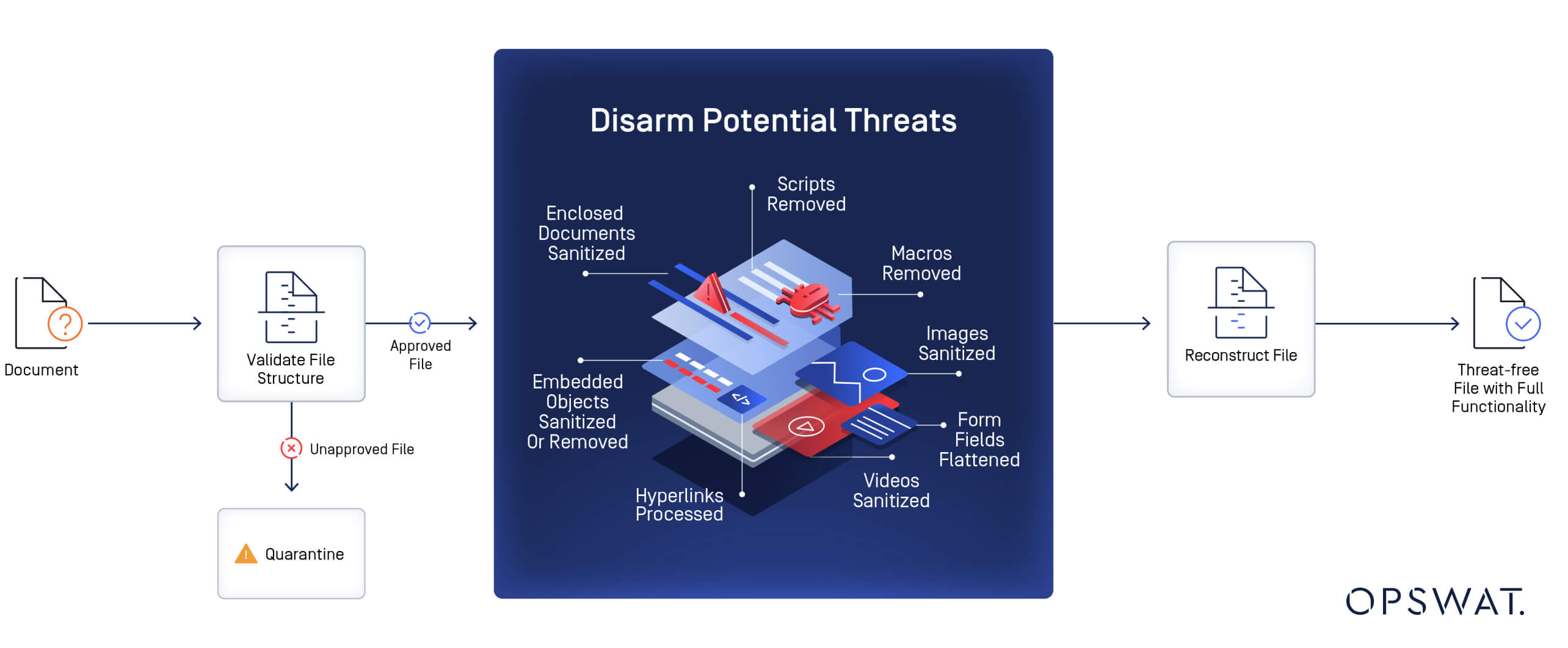
従来のセキュリティ対策では、ゼロデイ攻撃を含む高度なサイバー脅威を常に検知できるとは限りません。Deep CDR™テクノロジーは、ファイルをきめ細かなレベルでクリーンアップすることでこの課題に対処し、高度な脅威や新たな脅威のリスクを低減します。
Clalitのサイバーセキュリティの重要な部分は、OPSWATのユニークな技術に依存しています。 Multiscanningクラリットのサイバーセキュリティの重要な部分は、検出率を高め、発生検出時間を短縮し、単一ベンダーのマルウェア対策ソリューションと比較して検出精度を向上させる高度な脅威保護を提供する独自の技術に依存しています。
Multiscanning 、Deep CDR™テクノロジーと連携・強化することで、医療従事者を標的とする高度な脅威やゼロデイ脅威に対する重要な防御層Multiscanning 。
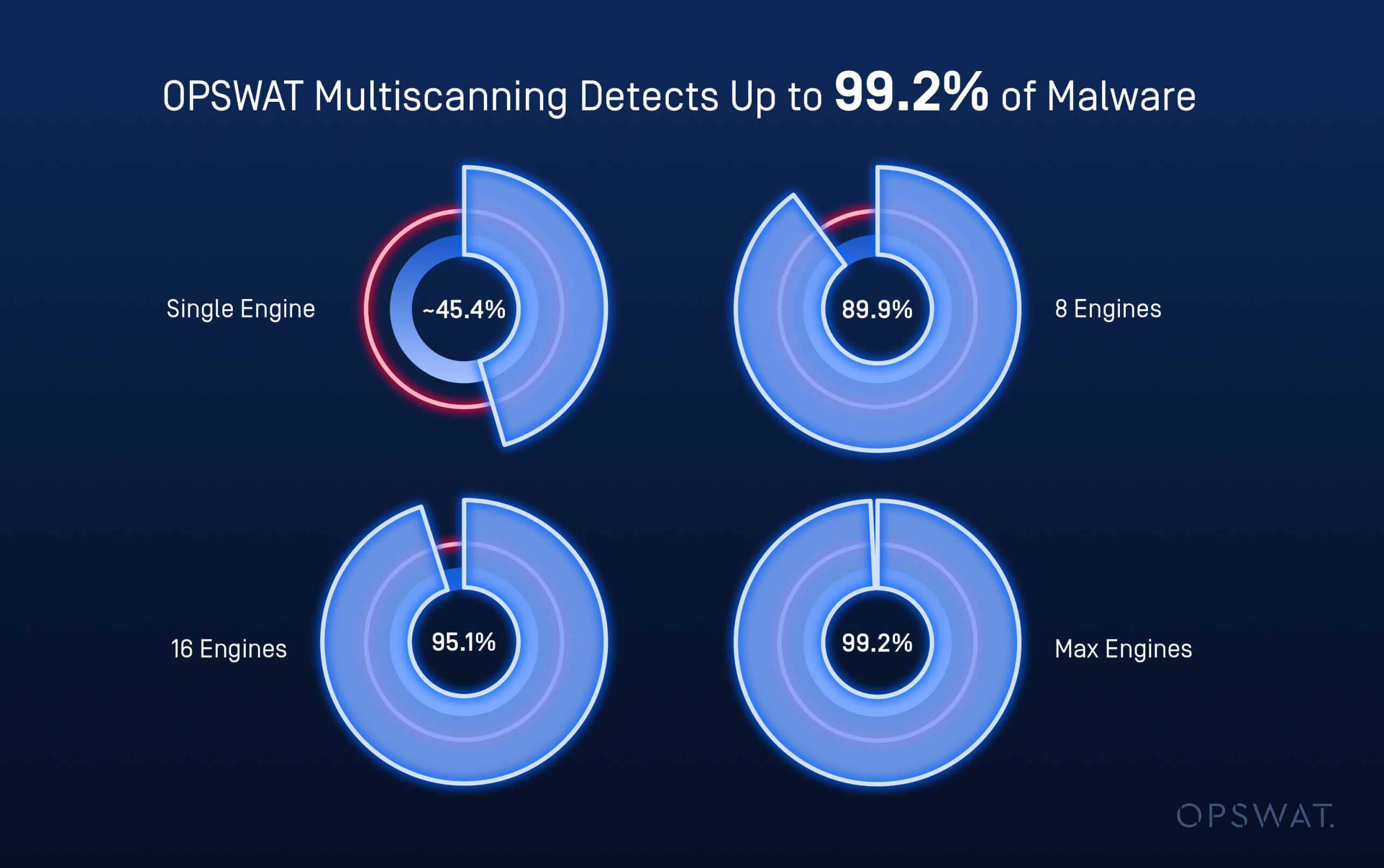
より多くのマルウェア対策エンジンが導入されればされるほど、マルウェアの検出率は向上するという調査結果があります。OPSWATのソリューションでは、各エンジンの長所を組み合わせて優れた検出機能を提供し、より多くの脅威をより迅速に特定します。複数のスキャンエンジンの結果を組み合わせることで、OPSWAT 、脅威の暴露時間を短縮し、脅威に対するグローバルな可視性を提供し、悪意のあるファイルへの暴露を実質的にゼロにすることができます。
最も活発な脅威1万件以上を対象とした最近のマルチスキャンテストでは、OPSWAT 、12個のエンジンを組み合わせて90%以上、16個のエンジンを組み合わせて95%以上、20個以上のエンジンを組み合わせて99%以上の検出率を達成した。
ファイル量が増加し、脅威行為者がセキュリティ・ソリューションを回避するためにますます洗練されたマルウェアを作成するテクニックを継続的に向上させる中、組織はマルウェアのために何千ものファイルを迅速にスキャンし、同時にあらゆる難読化レイヤーを破って貴重なIOC(侵害の指標)を特定する能力を必要としています。
MetaDefender 独自の適応型脅威分析技術は、従来のサンドボックスに比べて10倍の速度でIOCを抽出すると同時に、100倍の処理能力を実現します。MetaDefender 、たった1台のサーバーで1日あたり25,000件以上のファイルを処理可能であり、そのAdaptive 分析技術により、より多くのIOCを抽出しながらゼロデイマルウェアの検出を可能にします。
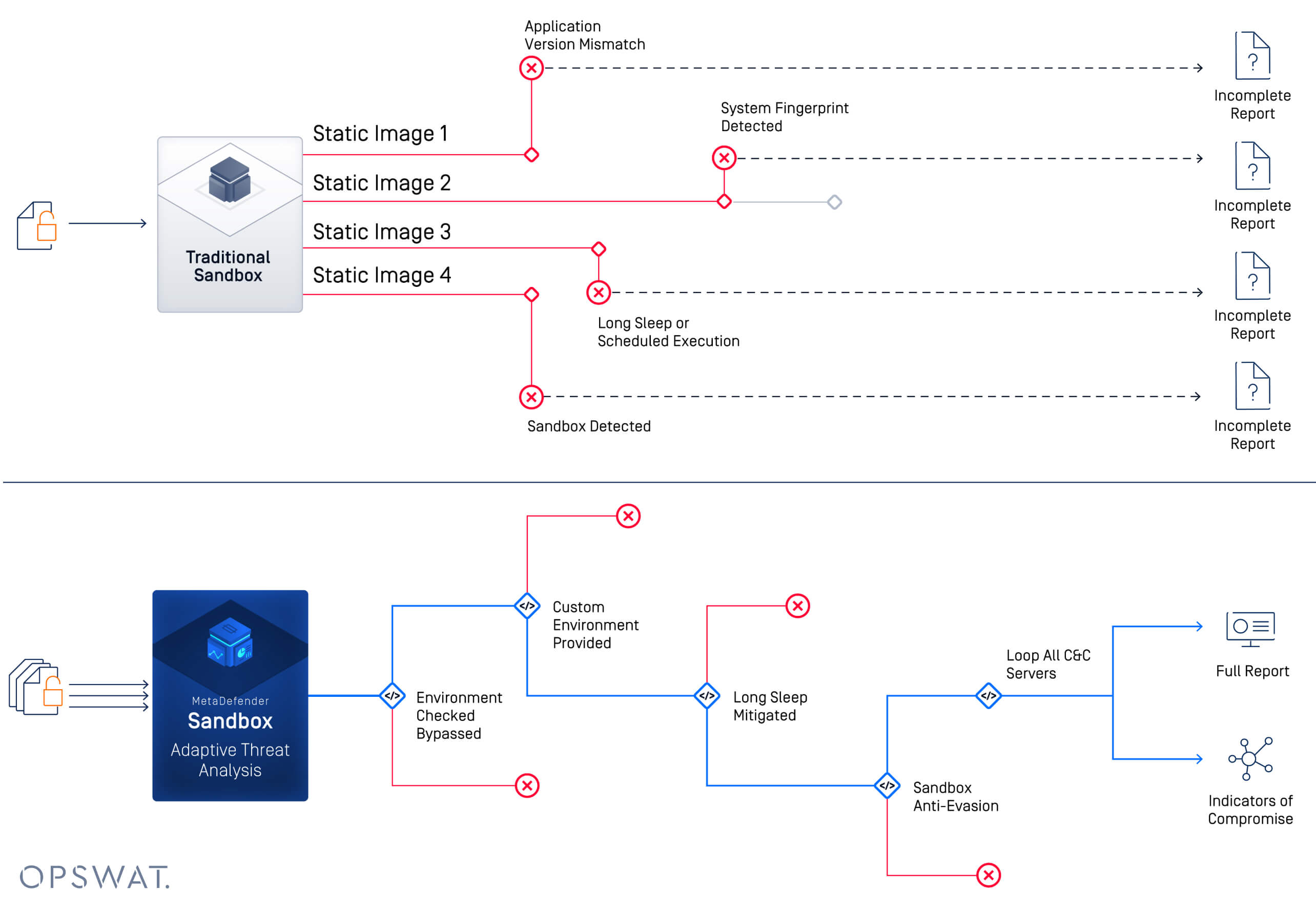
OPSWAT Sandbox 、エミュレーション技術により極めて迅速な判定Sandbox 、Deep CDR™テクノロジーなどの他製品とも統合されています。これにより、ユーザーへの影響を最小限に抑えつつ、ファイルのスキャンにおいて最高のインライン体験を提供し、管理も容易に行えます。
より良いソリューションで価値をもたらす
Clalitの技術チームは、OPSWAT のソリューションによって、重要なインフラを脅威から守ることが容易になった多くの利点をすぐに指摘した。
「OPSWATCDR™テクノロジーOPSWAT、文書、画像、マルチメディアファイルなど、最も幅広いファイル形式に対応しています」と、クラリットのインフラストラクチャ・アーキテクトであるタミール・シャハル氏は述べた。
「さらに、Deep CDR™ テクノロジーは、無害化処理後にファイルを忠実に復元します。つまり、無害化処理されたファイルは元の形式と機能を維持するため、使い勝手や生産性への影響を最小限に抑えることができます。これは、無害化処理の過程でコンテンツや機能を過剰に削除してしまう可能性のある他の CDR ソリューションとは対照的です。」
クラリットのサイバーエキスパートは、OPSWAT :
- ユーザーエクスペリエンスの向上: Sandbox エミュレーション技術により極めて迅速な判定Sandbox 、Deep CDR™ Technologyなどの他製品とも容易に連携します。これにより、ユーザーへの影響を最小限に抑えつつ、ファイルスキャンにおける最高のインライン体験を提供します。
- 時間の節約: OPSWATのSandbox は、未知の脅威を検出するために不可欠であり、一般的なサンドボックスの 10 倍の速さでファイルをエミュレートします。
- 優れたファイルサポート:複数のアンチウイルスエンジンにより、Clalitはすべてのファイル、タイプ、およびサニタイズできないファイルなどのさまざまな状況をサポートする柔軟性を備えています。
OPSWAT を使えば、データは安全で、ファイルはマルウェアに感染していないことが保証される。
インフラストラクチャ&サイバー部門 インフォメーション・テクノロジー・ディレクター
トータルプロテクション
同社が毎日扱う数百万ものファイルは機密性が高いためです。Clalitは、最も革新的なテクノロジーに支えられた総合的な保護プランを必要としていました。OPSWATのクラス最高のソリューションがシームレスに調和し、絶え間なく変化する脅威の状況に対応するために絶え間ないイノベーションを通じて進化することで、Clalit は現在、顧客の機密医療ファイルが完全に保護されていることを保証しながら、重要なインフラストラクチャを保護するために医療機関ができることのモデルとなっています。
ザヒ・ベン=アブが要約したように、「OPSWAT 、私たちは顧客の機密データや情報が安全であることを確信しています」。
OPSWAT がお客様の重要なインフラにどのようなメリットをもたらすかについて詳しくは、OPSWAT の専門家までお問い合わせください。